Erasmus+ KA1 Mobility in Antalya: A Practical Guide for Schools and VET Providers
Why Antalya works so well for Erasmus+ KA1 groups, what a typical mobility looks like and how to plan one without surprises.
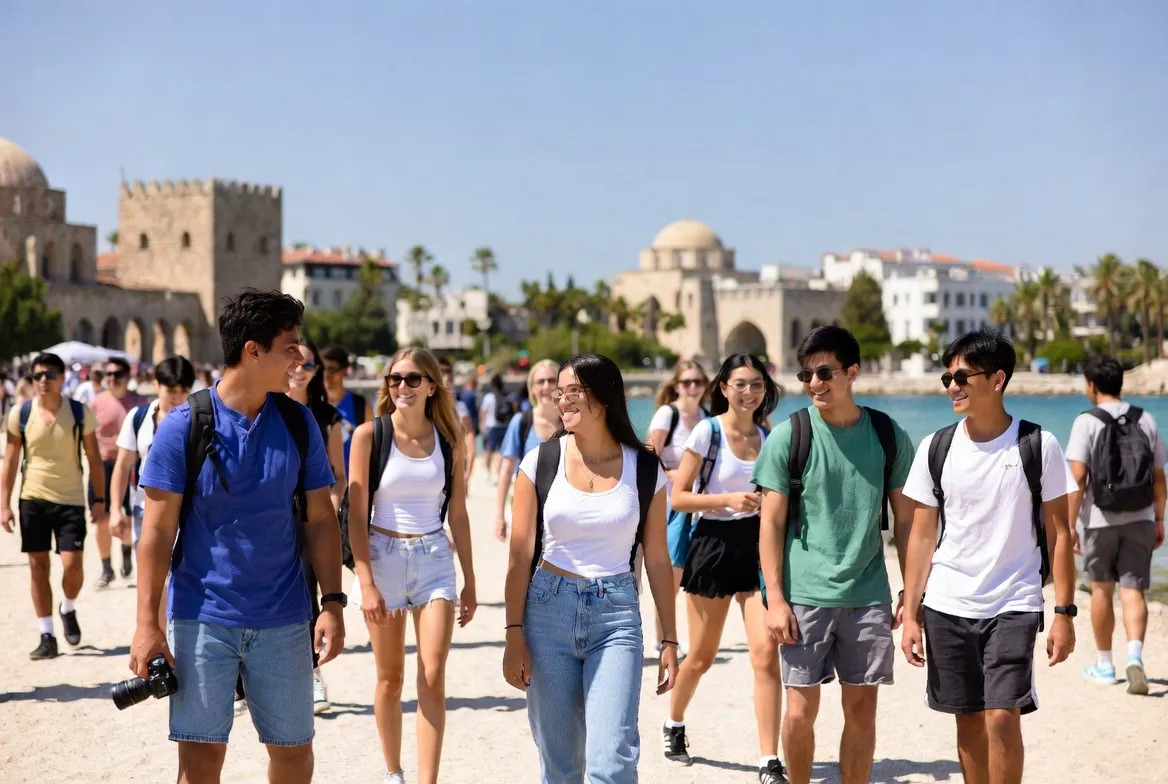
Antalya is one of the most practical places in Europe’s wider neighbourhood to run an Erasmus+ Key Action 1 mobility. It is easy to reach, it has a large and varied economy for work placements, and the climate lets you plan outdoor learning for most of the year. This guide explains what to expect and how to plan a mobility that runs smoothly.
What Erasmus+ KA1 covers
Key Action 1 is the mobility strand of Erasmus+. It funds learners and staff to spend time abroad for study, training, work placements or job shadowing. For schools and VET providers, that usually means one of two things: a group of students on a learning mobility or internship, or teachers and staff on a structured course or job-shadowing visit.
Funding generally contributes to travel, individual support (accommodation and subsistence), organisational support and, where relevant, inclusion support. The exact rules sit in the current Erasmus+ Programme Guide and in your organisation’s grant agreement, so always check them with your National Agency.
Why Antalya works for groups
- Access: Antalya Airport has direct flights from many European cities, especially between spring and autumn.
- Placements: tourism, hospitality, gastronomy, agriculture, retail and services give vocational students a wide choice of host organisations.
- Learning outside the classroom: ancient sites such as Side and Aspendos, the old town of Kaleiçi and the coast make cultural activities part of the programme rather than an afterthought.
- Climate: long, mild seasons mean you are not limited to a narrow window of dates.
What a typical two-week mobility looks like
Most of our groups follow a similar rhythm. The first day is arrival and orientation: transfers, a walk around the area, safety information and an introduction to local customs. The core of the programme follows, either structured course sessions or daily placements in host organisations. Cultural visits are spread across weekends and afternoons. The final days are for evaluation, reflection and certificates.
Throughout the mobility, participants and accompanying staff have a named coordinator they can reach at any time. That single point of contact matters more than any other detail of the programme.
Planning timeline
- Six months or more before: agree learning outcomes, dates and group size with your host partner.
- Three months before: confirm placements or course content, book flights and finalise accommodation.
- One month before: sign learning agreements, run a pre-departure briefing and share emergency contacts.
- After the mobility: collect evaluations, complete participant reports and share results inside your organisation.
Common mistakes to avoid
The most common problem is a mismatch between the learning outcomes written in the application and what actually happens on site. Share your application text with your host partner early, so the programme is built around it. The second is underestimating preparation: students who know what to expect from the workplace and the culture settle in faster and learn more.
Next step
If you are considering Antalya for your next Erasmus+ mobility, send us your dates and group size. We will reply with a draft programme you can use in your planning or application.